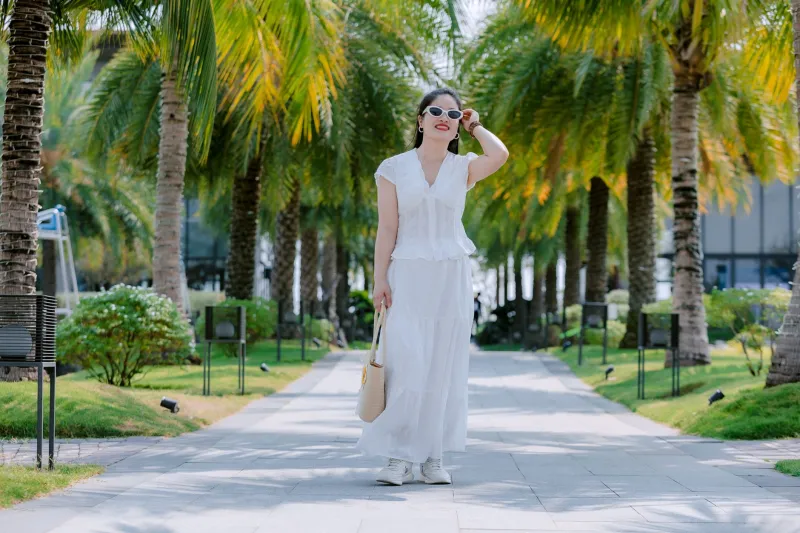
Why Your Favorite Resort Pieces Keep Getting Better With Every Trip
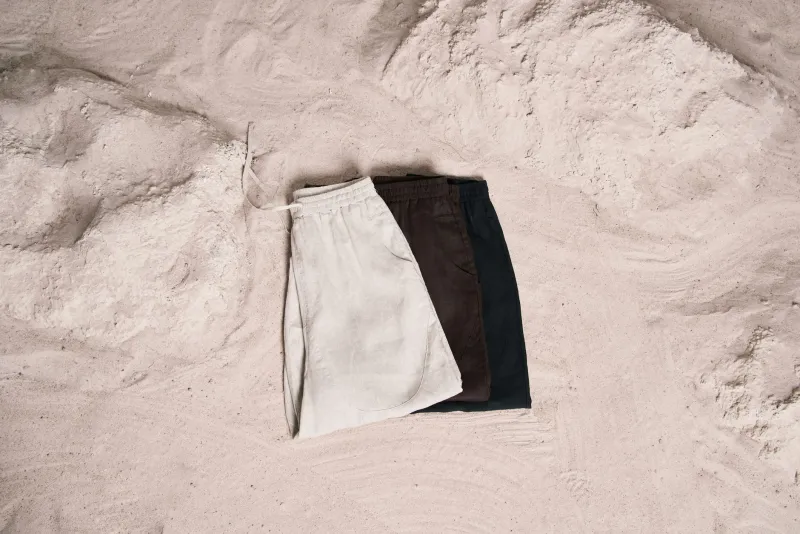
You packed everything fresh. Tags still on a couple of pieces. Crisp linen shirt, straight out of the tissue paper. New swimsuit with the liner still stiff. And yet, by Wednesday, something shifts. The shirt drapes differently. The shorts feel like a second skin. The whole outfit stops feeling like something you put on and starts feeling like something you wear.
This isn't nostalgia, and it's not just vacation brain making everything feel better than it actually is. There's a real, measurable phenomenon happening to your resort wardrobe the more you wear it — and it's one of the best arguments for investing in quality pieces made from natural fibers.
Linen Doesn't Peak on Day One
If you've ever bought a linen shirt and thought, this is a little stiff, you were right. And that's actually a good sign. Raw linen — the real stuff, woven from flax fibers — goes through a legitimate softening process with every wash and wear cycle. The fibers themselves are naturally rigid at first, but they respond to moisture, body heat, and movement by gradually relaxing and realigning.
What you're experiencing on day three of your trip isn't wear and tear. It's the fabric finding its form. The more you sweat a little, rinse it out, and let it air dry in the ocean breeze, the more the linen molds to how you actually move. That slightly rumpled, perfectly draped look that's everywhere on resort Instagram? It doesn't come from a steamer. It comes from a few days of real life in warm weather.
High-quality linen gets softer with every single wash — not weaker, softer. Cheaper linen blends, on the other hand, tend to pill, fade unevenly, or lose structure after a few cycles. The difference between a $40 linen top and a $120 one often shows up not in how they look on the rack, but in how they look after their fifth beach day.
The Color Story Gets Richer Over Time
There's a version of fading that ruins clothes, and there's a version that makes them look like they were styled by someone with genuinely good taste. The difference, again, usually comes down to fabric quality and dye method.
Natural fiber garments — linen, cotton, Tencel, even certain silk blends — develop what textile experts call patina. The colors don't disappear so much as they settle. A cobalt blue coverup might start out almost electric. After a season of sun, salt, and laundering, it softens into something closer to a faded coastal blue that looks intentional in the best possible way. Think vintage surf shop, not thrift store.
Synthetic fabrics tend to fade differently — blotchily, inconsistently, in ways that just look worn out. Natural dyes and reactive dyes on quality fabrics, though, tend to fade with a kind of evenness that reads as character rather than damage. This is why so many people describe a beloved vacation dress as looking better than when they bought it. It probably does.
Fit Changes When the Fabric Relaxes
Here's something the fashion industry doesn't talk about enough: fit isn't static. A garment that fits well off the rack might fit brilliantly after it's been worn and washed a handful of times — and a garment that fits brilliantly off the rack might lose all its shape after one season.
Woven fabrics, particularly natural ones, go through a process called relaxation shrinkage early in their life. That means the first wash or two might tighten things up slightly, but after that, the fabric stabilizes. From there, body heat and movement start doing something interesting — the fibers gently conform to how you wear the piece. A well-cut linen trouser begins to crease in the places you crease it. A cotton-gauze dress learns your shoulder line.
This is the anti-fast-fashion argument that nobody makes loudly enough. Cheap garments don't break in — they just break down. Quality resort wear, by contrast, has a kind of memory. It becomes yours in a way that's hard to replicate by just buying something new.
The Psychology of Wearing Something In
Beyond the fabric science, there's something genuinely psychological happening when your vacation clothes start to feel familiar. Research on clothing and identity suggests that we feel more confident and at ease in garments we've worn before — not because of superstition, but because familiarity reduces low-level cognitive friction. You stop thinking about how you look and start just being somewhere.
This is especially true on vacation, where you're already working to decompress and get out of your head. The worn-in linen shirt isn't just softer — it asks less of you. You don't have to break it in, figure out how it moves, or wonder if it's doing what you hoped. It already proved itself. That's a small but real contribution to actually relaxing.
By day three of most trips, seasoned travelers report a noticeable shift in how they feel in their clothes. The stiffness is gone. The colors have settled in the sun. The fit has adjusted. And the result is a wardrobe that feels curated and personal in a way that brand-new pieces rarely do right out of the bag.
Building a Wardrobe Worth Breaking In
None of this works if you're starting with the wrong materials. Polyester doesn't develop character — it just develops pills. A linen-poly blend might feel more wrinkle-resistant, but it sacrifices most of the aging benefits that make natural linen so compelling over time.
When you're shopping for resort pieces that will actually improve with wear, look for:
- 100% linen or high-linen blends (linen-cotton is a solid middle ground)
- Garment-dyed or piece-dyed items rather than printed-only colorways
- Preshrunk or stonewashed fabrics that have already gone through initial relaxation
- Loose, relaxed cuts that have room to move and drape as the fabric softens
- Natural fiber swimwear coverups over synthetic alternatives when possible
The pieces worth investing in are the ones that aren't finished when you buy them. They're the ones that have somewhere to go.
A Different Way to Think About Vacation Clothes
Most of us think about resort wear in terms of what looks good on the hanger or in the product photo. But the travelers who build genuinely great vacation wardrobes think about it differently — they're looking for pieces that will earn their place over time. The linen shirt that looks lived-in by day four. The cotton shorts that feel like pajamas by the end of the week. The coverup that comes out every summer and somehow still looks current.
That's the real promise of quality resort wear. Not that it looks perfect when you unpack it, but that it keeps getting better the more adventures it absorbs. Your clothes, like your best vacation memories, tend to improve with a little time and a lot of salt air.